
Montgomery, AL Lawn Care Calendar: Month-by-Month Guide
Montgomery sits in USDA Zone 8a, which means long, hot summers, mild winters, and a growing season that runs nearly eight months. Most lawns here are warm-season grasses — Bermuda, Zoysia, or Centipede — and they follow a very different rhythm than the cool-season lawns up north. Get the timing right and your lawn practically takes care of itself. Get it wrong and you’ll spend the summer fighting weeds and bare spots.
Here’s what to do, and when, for a healthy Montgomery lawn all year.
One more thing before the calendar: if you haven’t tested your soil in the last couple of years, early spring is the time. A basic soil test from your local extension office tells you exactly what your lawn needs — and just as importantly, what it doesn’t. Many Montgomery lawns sit on slightly acidic clay soil, and guessing at fertilizer without a test is how people end up overfeeding and wasting money.
Spring (March–May): Wake the Lawn Up
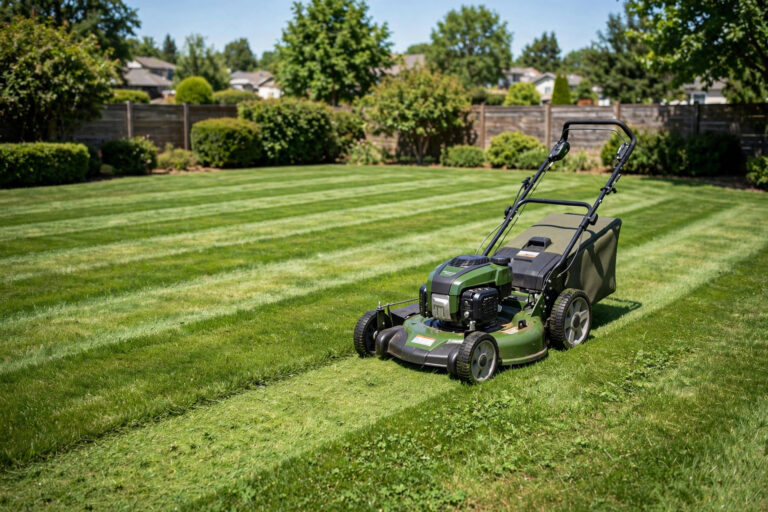
March is when your grass starts greening up. Resist the urge to scalp it — raise your mower and take no more than a third of the blade height off at a time. This is also the window for your first pre-emergent herbicide application, which stops crabgrass and other summer weeds before they sprout. In Central Alabama, soil temperatures usually hit the magic 55°F mark in late February to early April, so don’t wait until May.
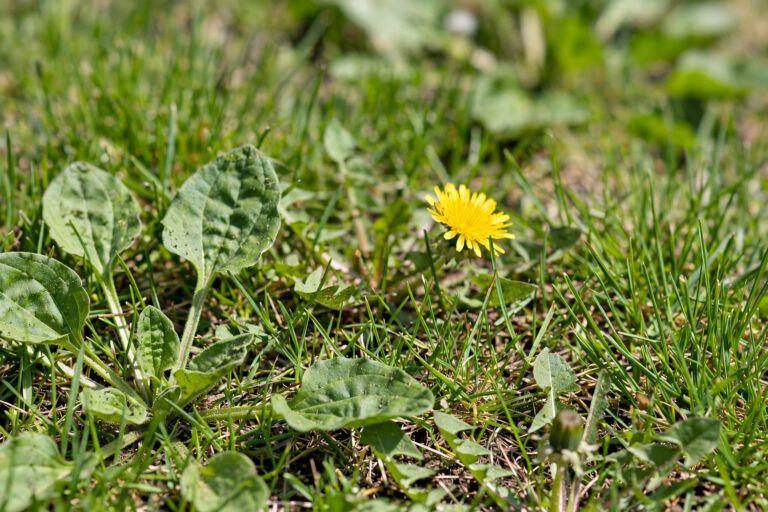
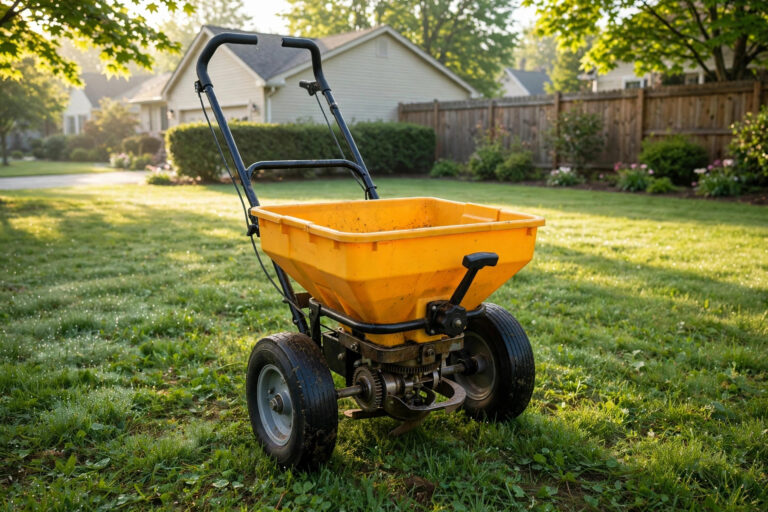
April and May are prime fertilizing months. A balanced spring feeding gives warm-season grass the nitrogen it needs to fill in thick. If you had winter weeds like henbit or chickweed, spot-treat them now before they go to seed. Watch your watering too — spring rains usually do the job, but a new lawn may need help during dry spells.
Summer (June–August): Survive the Heat
Montgomery summers are brutal — daytime highs in the 90s with humidity to match. Your job now is to keep the grass alive and stress-free, not to push growth.
Mow high. Bermuda does best around 1.5 to 2 inches, Zoysia around 2 to 2.5, and Centipede around 1.5 to 2. Taller grass shades the soil, holds moisture, and crowds out weeds. Water deeply but infrequently — about an inch per week, ideally in the early morning so the blades dry before nightfall. Watering at night is an open invitation for fungus, which thrives in our humid summers.
Skip heavy fertilizing in peak summer heat. Feeding stressed grass is like making a sick person run a marathon. If armyworms or grubs show up (ragged patches that appear almost overnight), treat them promptly — they can destroy a lawn in days during July and August.
Fall (September–November): The Most Important Season
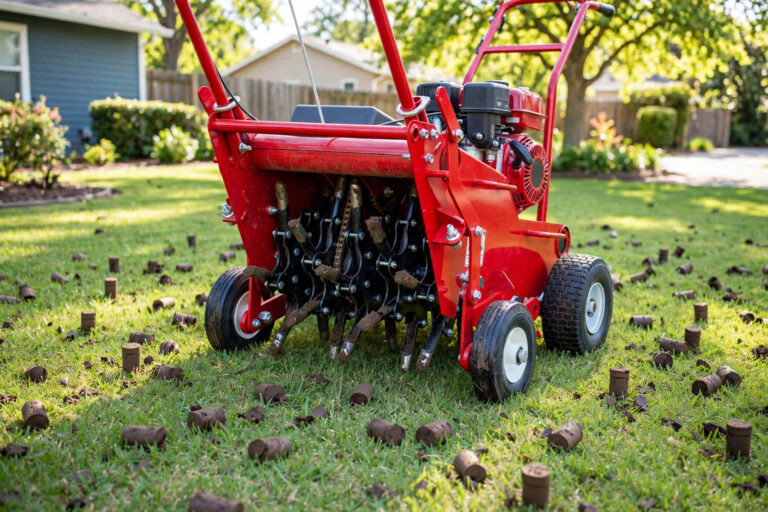
Ask any lawn professional in Pike Road or Prattville, and they’ll tell you fall is when championships are won. September is the ideal time for core aeration — pulling small plugs of soil so air, water, and nutrients reach the roots. Follow it with overseeding thin areas if needed.
October brings your fall pre-emergent application, which blocks winter weeds like annual bluegrass (Poa annua) before they germinate. This single application does more for a weed-free spring lawn than anything else you’ll do all year. Keep mowing until growth stops, gradually lowering the blade height for the last cut, and give the lawn a final winterizer fertilizer in November to feed the roots through dormancy.
Quick fall checklist:
- Core aerate compacted or high-traffic areas
- Apply fall pre-emergent herbicide in September–October
- Overseed or patch thin and bare spots
- Apply a winterizer fertilizer in November
- Keep leaves off the grass — a thick mat of leaves will smother it
Winter (December–February): Rest and Plan
Your warm-season grass goes dormant and turns brown — that’s completely normal in Zone 8a, not a sign of death. There’s little to do besides keeping the lawn clear of debris and staying off frozen turf. Winter is the perfect time to service your mower, sharpen blades, and plan any bigger projects for spring.
One thing worth doing in late winter: walk your lawn and note problem areas — drainage issues, thin spots, shady patches. You’ll thank yourself when spring arrives and you already know what needs attention. It’s also a good time to check irrigation heads for winter damage so you’re not discovering leaks in July.
The Bottom Line
A great Montgomery lawn isn’t about working harder — it’s about working at the right time. Pre-emergent in early spring and fall, high mowing in summer, aeration in fall, and patience in winter. Follow this calendar and you’ll stay ahead of weeds, disease, and stress instead of constantly reacting to them.
Want a lawn care program built around this exact calendar? Call Lawn Care Montgomery at (334) 719-0646 for a free quote. We serve Montgomery, Pike Road, Prattville, Millbrook, and Wetumpka, Monday through Saturday.
3 Comments
Comments are closed.