
Lawn Treatment Program in Montgomery, AL: What’s Included
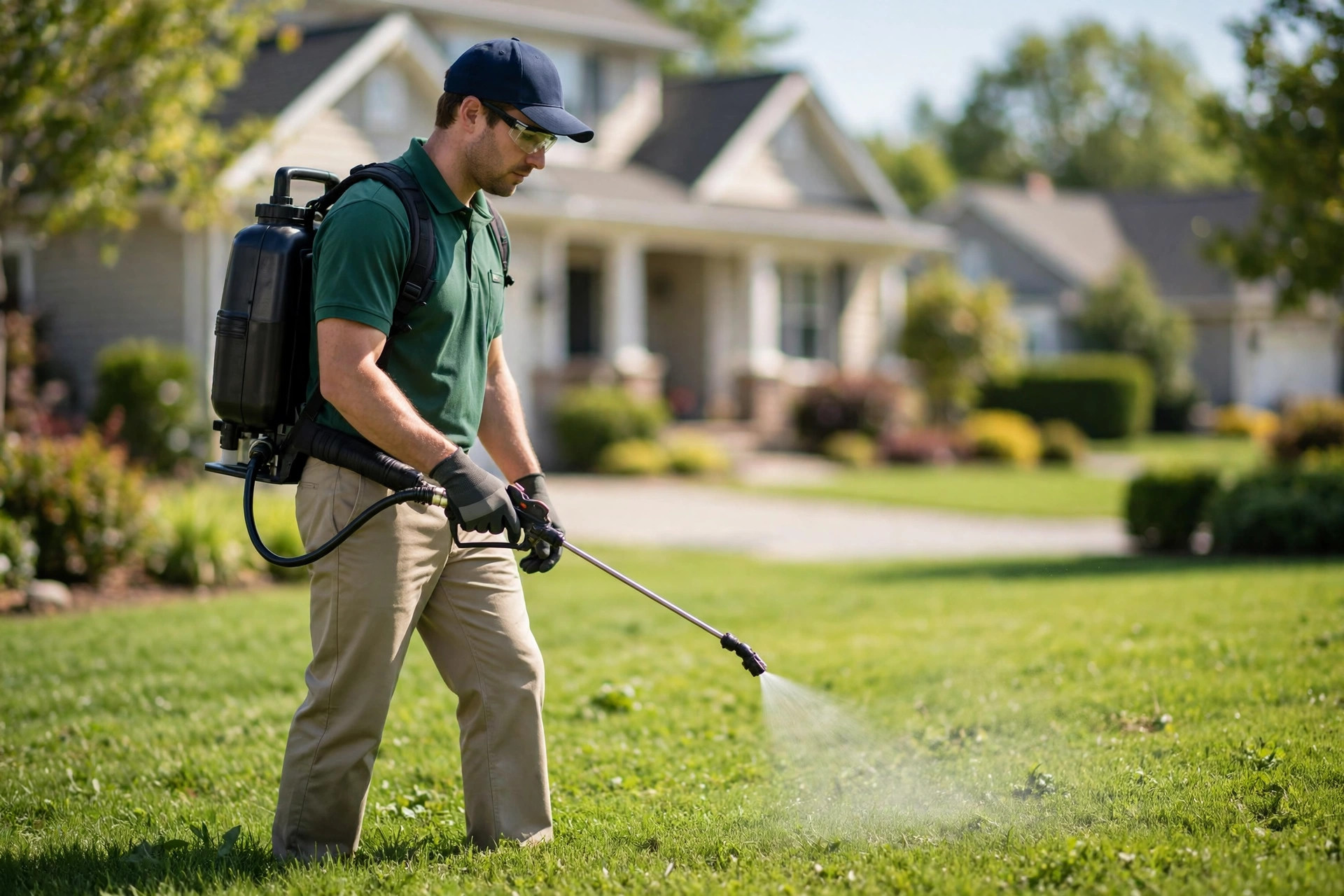
Most homeowners in Montgomery hear “lawn treatment program” and picture someone spraying something mysterious on the grass a few times a year. The reality is more structured than that. A treatment program is a season-long plan built around how warm-season grass actually grows in Central Alabama — the right products, in the right order, at the right moments. Here’s what a good one includes, what it doesn’t, and how to tell whether your lawn needs one.
What Is a Lawn Treatment Program, Exactly?
A lawn treatment program is a scheduled series of applications — typically six to eight visits across the year — designed to feed your grass, stop weeds before they start, and handle the problems our climate throws at lawns. It’s the difference between reacting to a lawn full of weeds in May and preventing them back in March.
Every legitimate program rests on three pillars: fertilization timed to your grass’s growth cycle, pre-emergent weed control applied before weed seeds germinate, and post-emergent control for the weeds that slip through anyway. Around that core, good programs layer in extras based on what your lawn actually needs — things like grub prevention, preventative fungicide, or soil amendments for our clay-heavy soils.
What it is not: a magic spray that fixes a dead lawn in one visit, and not a mowing service. Treatment programs handle the chemistry and biology of your lawn. Mowing, edging, and cleanup are separate services.
What a Full Season Looks Like, Visit by Visit
Here’s how a well-built lawn treatment program in Montgomery typically unfolds across the year:
Late winter to early spring opens the season with pre-emergent herbicide to block crabgrass and summer annual weeds before they germinate, usually paired with the year’s first balanced fertilization as the grass starts greening up.
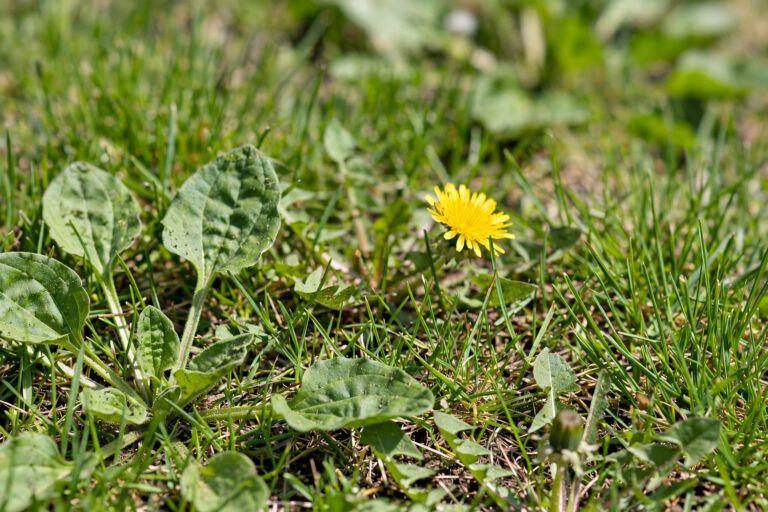
Late spring brings a second round of fertilization to fuel peak growth, plus post-emergent spot treatment for broadleaf weeds like dandelions, clover, and dollarweed that escaped the pre-emergent barrier.
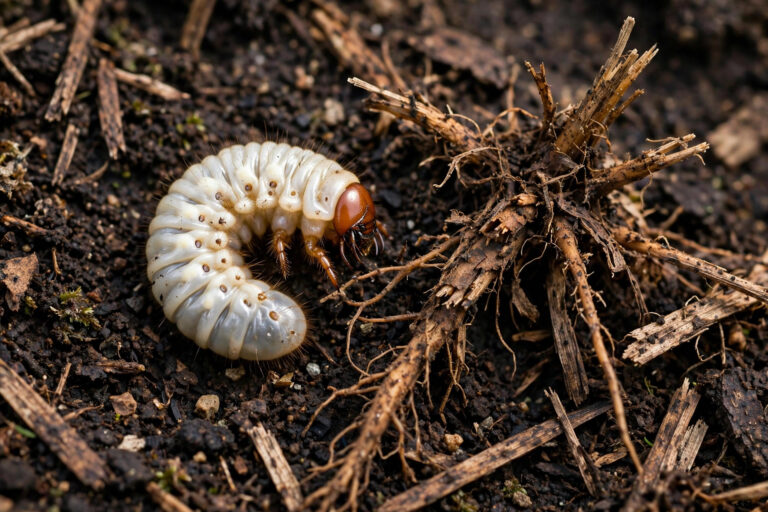
Early summer is when grub prevention goes down. The timing matters here — the product needs to be in the soil before beetle eggs hatch, so a June application protects the roots all summer. Some programs add a light summer feeding for Bermuda lawns, which are heavy feeders.
Late summer is peak weed season. A targeted application handles the summer weeds, and this is also when a good technician watches for early signs of fungus or insect damage while they’re on the property.
Fall brings the second pre-emergent application, blocking winter weeds like annual bluegrass (Poa annua) before they germinate, paired with fall fertilizer that strengthens roots heading into dormancy.
Late fall into early winter finishes with a winterizer application that feeds the root system through dormancy, so the lawn greens up faster and thicker when spring arrives.
Six to eight visits, each one doing a specific job at the right time. That structure is the whole point.
Why a Program Beats One-Off Treatments
A single weed-control spray in April might knock down what’s visible, but it does nothing about the crabgrass seed waiting to germinate in May — or the winter weeds arriving in October. Lawn problems in Central Alabama are seasonal and predictable, which means the fixes have to be seasonal and predictable too.
There’s also a compounding effect most people don’t expect. Each season of consistent treatment makes the next one easier: fewer weeds this year means fewer weed seeds in the soil next year, and a thicker lawn crowds out new invaders on its own. Lawns in their second or third year of a program are visibly easier to maintain than lawns getting their first treatment.
And then there’s the calendar problem. Pre-emergent windows in Zone 8a are narrow — miss the spring window by a month and you’ve lost most of the benefit for the whole summer. A program takes that timing burden off your plate entirely.
Who Should Consider a Program
A lawn treatment program in Montgomery, Pike Road, or Prattville makes the most sense if:
- Your lawn has recurring weed problems despite your own efforts
- You want a consistently good-looking lawn without becoming a part-time lawn chemist
- You’ve already got a decent lawn and want to keep it that way — prevention costs less than rescue
- Your grass is thin or patchy and you’re not sure what’s missing
It’s less necessary if you genuinely enjoy doing the applications yourself and can stay on schedule. And if your lawn is mostly weeds and bare dirt, you may need renovation — sodding or seeding — before a maintenance program makes sense. An honest company will tell you which situation you’re in before selling you anything.
What a Program Doesn’t Cover
Worth knowing the boundaries before you sign up. Standard treatment programs don’t include mowing, edging, or leaf removal — that’s lawn maintenance, a separate service. They also don’t fix drainage problems, deep shade, or severe soil compaction on their own; core aeration is usually a separate service too. And no program can bring back grass that’s already dead. Dead is dead — the fix is replanting, not fertilizing.
If a company promises their treatment program handles everything including mowing and drainage, ask a lot of questions before you commit.
Choosing a Provider in the Montgomery Area
When you’re comparing lawn treatment options around Montgomery, Hope Hull, or Wetumpka, these questions separate real programs from glorified spray routes:
- How many visits are included, and what happens on each one?
- Are both spring AND fall pre-emergent applications included? If not, keep looking.
- Do they evaluate your lawn before quoting, or quote it blind over the phone?
- What happens if weeds pop up between visits — do they come back out?
- Is the pricing locked for the season, or can it change?
The answers tell you whether you’re buying a real program or just a series of spray visits.
The Bottom Line
A lawn treatment program is simply professional timing: the right products, in the right order, at the right moments of a long growing season. In Central Alabama, that structure is what separates lawns that look good in April from lawns that still look good in October.
Want a program built for Montgomery conditions? We serve Montgomery, Pike Road, Prattville, Millbrook, Wetumpka, and Hope Hull, Monday through Saturday. Call Lawn Care Montgomery for a free lawn evaluation and quote at (334) 719-0646.
Related reading: our month-by-month Montgomery lawn care calendar shows where each application lands through the year, and our weed control guide covers the weed side in depth.
4 Comments
Comments are closed.